
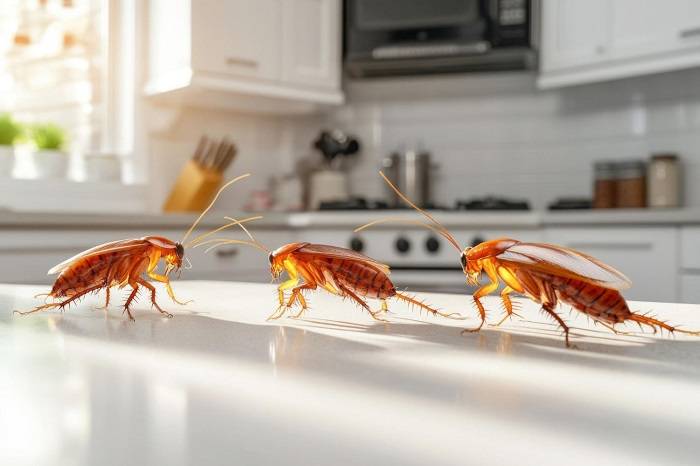
When winter finally sets in, Denver residents anticipate plenty of things to be put on pause, from outdoor fun, patio season, and even traffic on I-25. But cockroaches? They do not get the memo.
Despite outside temperatures that can dip into the teens, they stay on the move in apartment buildings around the Mile High City. This issue is especially evident on the Hill as well as in Five Points and LoDo, where older apartment complexes and high-density housing provide ideal breeding grounds for roaches year-round.
While you can try some DIY methods on your own, sometimes the problem is not as easy to fix as others. Seeking professional pest control from Denver exterminators can help if you are noticing roaches in your apartment this winter.
Why Cold Weather Does Not Slow Indoor Roaches?
Cockroaches are cold-blooded organisms , so they require heat externally to be active. They do not hibernate, but migrate inside as outdoor temperatures fall and conditions stabilize. In winter, the apartment’s indoor temperature is kept at 68-72°F, which is perfect for the activity and breeding of roaches.
These pests have existed alongside humans for thousands of years and have adapted in order to seek shelter in your house. Your heating system, your hot water pipes, and your kitchen appliances all make little microclimates that are summer to a cockroach. So as you bundle up in layers, the roaches are at home, too, in the same building.
How Multi-Unit Buildings Provide Year-Round Warmth
Shared wall systems in Denver apartment buildings, particularly those from before 1990, have always allowed heat to carry between units in an uneven fashion. The roaches come in through the wall voids because they follow the hot air between one apartment and the other.
Denver’s Department of Public Health and Environment reported that about 68% of that city’s rental housing stock was built before 2000, so thousands of buildings have old infrastructure with gaps and cracks that bugs can slip through.
However, buildings with centralized boiler systems (or shared HVAC infrastructure) will keep basements, pipe chases, and utility areas warm. According to a housing report out this year, there are more than 140,000 renter-occupied housing units in Denver, a high percentage of them in multi-family buildings where all the lovely heat exchanged between occupying units kept the temperatures pest-friendly all winter long.
Where Roaches Shelter Inside Denver Apartments?
Roaches are looking for three things: heat, humidity, and human food. At Denver apartments, they hide behind refrigerators where condensation and motor heat generate humid microclimates.
Also, look under sinks, where leaky pipes supply moisture and points of entry through openings in walls. Cockroaches also hide in pantries, attracted to unsealed food packages and cardboard boxes. Nagging nooks and crannies you would never think about, like behind your stove, in gaps around your baseboards, and even in your small appliances, such as a toaster or coffee maker, can also be a breeding ground for these little guys!
What Tenants Can Do?
You can begin by removing food sources, wiping down counters every night, putting food in airtight containers, and never leaving dirty dishes overnight. Besides, caulk any cracks near pipes and baseboards, and add door sweeps to eliminate entry points.
If neighboring units are infested, no amount of solo work will make a dent in making the problem go away in a multi-unit building. And this is when you need to call in the pros.
Saela Pest Control services the Denver metro area both for property managers and individual tenants of roach-infested homes. They utilize integrated pest management methods to treat visible roaches, as well as hidden colonies. The best part? Their technicians know how apartments in Denver are constructed, allowing pests to come from unit to unit, and treat accordingly. Although controlling your own space is manageable, real lasting results in ridding the space of roaches come from having the professionals treat common areas and employ building-wide strategies.
